Updated August 18, 2026 — 12:06am,first published 4:15pm
You have reached your maximum number of saved items.
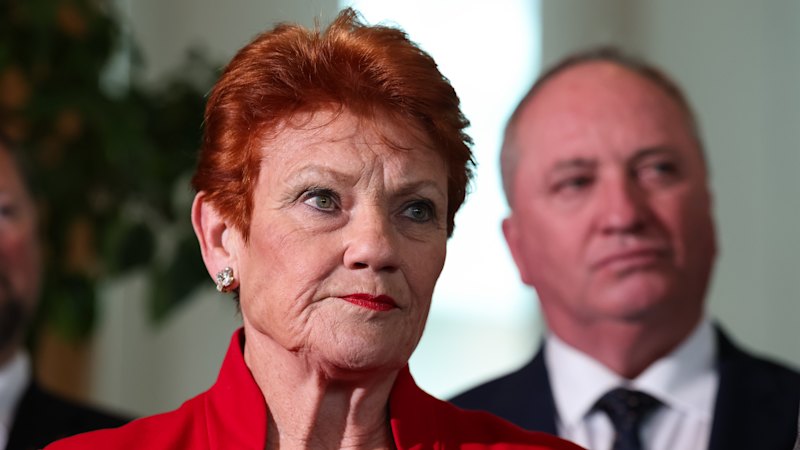
One Nation has been forced to clarify that its migration policy would allow tens of thousands more migrants than it first suggested, raising questions about the rigour of its policy manifesto, as Pauline Hanson pledges to slash the tobacco excise.
For months, policy experts and political opponents have scratched their heads about One Nation’s vision for lowering migrant numbers, a hot-button issue that has helped drive Hanson’s popularity.
The minor party will on Tuesday push a plan to lower the tobacco excise by 75 per cent, even as it faces pressure over its core immigration focus. Its policy, as explained on its website, said the party would cut migration “by capping visas at 130,000 per year” to ease pressure on housing and infrastructure. But it had not specified which types of visas.
The migration system includes temporary visas, such as students’, working holidaymakers’ and short-term skilled visas, some of which are demand-driven. The government also gives 185,000 permanent visas a year to skilled workers, family reunions and humanitarian cases. A combination of both visa types contributes to the net overseas migration figure – migrants who stay, minus those who depart.
Either way, a policy of 130,000 visas would lead to either zero or negative overall migration since tens of thousands of people leave the country each year. One Nation’s explicit policy before the last election was “net zero” migration, although that term has since been dropped from its website.
But One Nation’s Barnaby Joyce on Monday said the 130,000 figure applied to the net intake of migrants. This would mean the number of visas issued would be much higher than 130,000.
Asked by reporters whether One Nation was referring to total visas issued or the net overall migrant intake each year, Joyce said at a press conference on Monday: “It’s net.”
It came after Hanson muddied the waters on the weekend when she was grilled on the difference between net migration and the number of permanent visas during a Sunday morning interview on News24’s Sunday Agenda.
At one point Hanson said she wanted “net migration [of] about 130,000”. But in answer to a later question on permanent visas, she said, “I want to see 130,000 as the permanent number that are here.”
One Nation had not previously said that its 130,000 figure related to net migration. Party representatives have not responded to this masthead’s questions about the policy in the past, although a spokesperson also told SBS on the weekend that it was a net figure.
Hanson also said the country needed better leadership to “turn the country around” and stop people leaving Australia. However, more people staying in Australia for longer would actually increase net overseas migration because it would lead to fewer outflows.
One Nation is the political party most trusted to manage immigration, according to a survey of Australians in this masthead’s Resolve Political Monitor.
The party’s policy platform is yet to grapple with the ramifications that deep cuts to migration would have on key workforces, including in regional areas that are emerging as potential electoral strongholds.