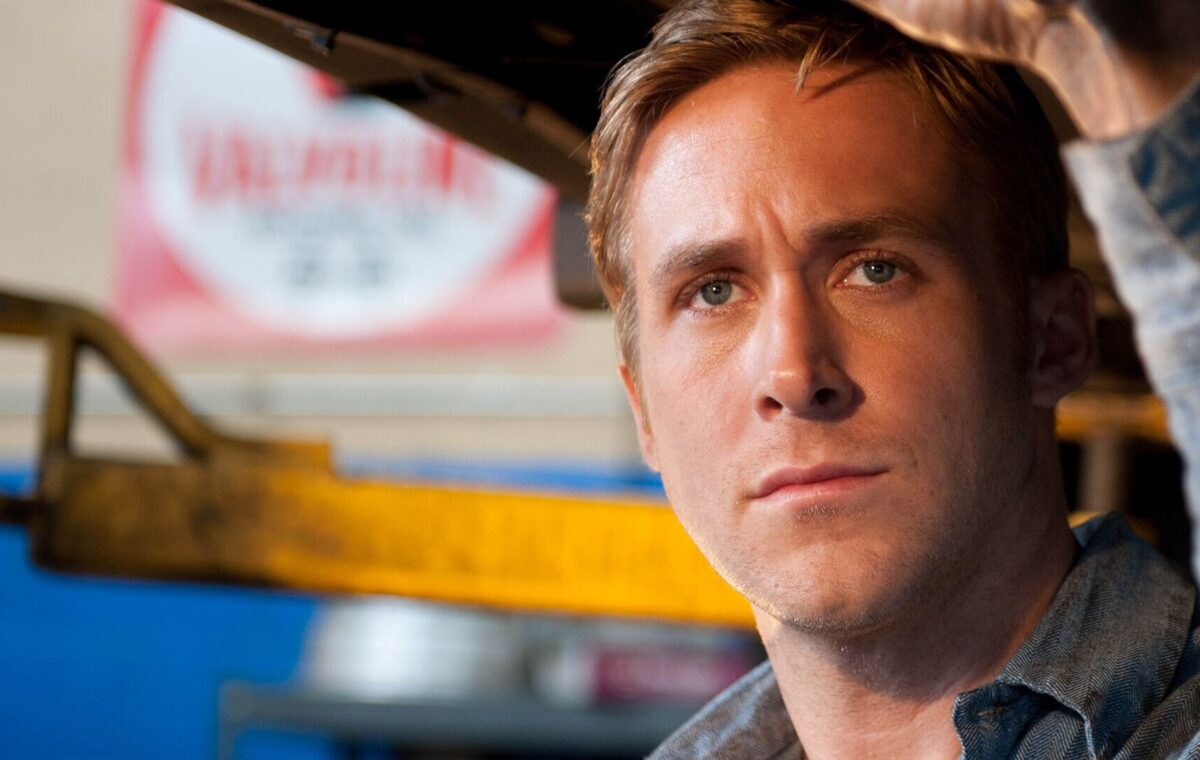
Ryan Gosling can seemingly do anything. His turn as Ryland Grace is undoubtedly the highlight of Project Hail Mary, where he brings a silent but heroic fish-out-of-water quality to the role. The opposite is true of films like Fracture (2007) and Blue Valentine (2010), where Gosling turns up the abrasiveness for good measure.
There’s also The Nice Guys (2016) and Half Nelson (2006), which demonstrate Gosling’s effortless ability to inhabit a wide variety of roles. This versatility has served the actor well for decades, earning him numerous accolades over the years. (The only thing he seemingly can't do is helm a classic action blockbuster; The Fall Guy flopped.)
But Gosling serves us something truly special in Nicolas Winding Refn’s Drive (2011). Becoming a critical darling as soon as it made its Cannes premiere, this neo-noir thriller was a commercial success despite its arthouse elements of moody action and graphic ultra-violence. Good news: You can watch Drive for free, as the film is now available to stream on Pluto TV.
Drive follows an unnamed man referred to as “The Driver” (Gosling) in Los Angeles who works three jobs as a mechanic, stunt double, and a getaway driver. He grows close to his neighbor Irene (Carey Mulligan) and her young son, but things get complicated once Irene’s husband, Standard (Oscar Isaac), is released from prison. Instead of playing into expected hostility, Standard recognizes The Driver’s innate talents and proposes a risky, million-dollar heist to pay off protection money owed to a gangster. Things don’t quite go as planned, giving Refn the opportunity to veer into his pulpy crime impulses.
Most of the director's work tends to feel disjointed and eccentric, relying on high-contrast visuals and synth soundtracks to convey symbolism-heavy themes. Only God Forgives (2013) and The Neon Demon (2016) embody these qualities to their merit, while his thriller series Copenhagen Cowboy feels like indulgent excess. Drive, however, is an exercise in restraint, as Refn's quiet, neo-noir plotline perfectly complements the neon-soaked streets of Los Angeles, which feels like an entity on its own.
Drive doesn't feature much dialogue, but it's a dense exploration of human nature in the age of post-capitalist existentialism. A lone figure like The Driver exists on the fringes of society and is consistently defined by his stoic silence and a sense of urban alienation. His bond with Irene feels like a rare chance to be vulnerable, but these moments are fleeting in a city where only survival is a constant battle.
Although The Driver embodies the Hero archetype, his morality is not clean-cut like in traditional tales. This is a protagonist capable of both quiet protection and shocking bursts of brutality. His capacity for violence is jarring and contrasts with his quiet, well-mannered demeanor. The Driver is painfully aware that his deep-seated longing for peace will never be realized, as his penchant for violence will inevitably drag him back to chaos. Gosling delivers a quiet, internalized performance to bring this intriguing dichotomy to light.
A more conventional film might’ve leaned into the “love-redeems-all” trope, but Drive keeps things painfully grounded. Refn makes it a point to show us that warmth between people can provide a fleeting sense of hope, but these instances aren’t enough to save anyone from imminent tragedy. The film deliberately uses lingering silence to drive this point home, which also factors into the Driver’s insistence on speaking very little. This heavy silence, however, is juxtaposed against riveting action set-pieces, be it a sudden ambush inside a cramped motel or a tense car chase that will leave you breathless.
Drive is for anyone curious about Gosling turning his understated presence into an achingly heartbreaking performance. It is also a film about broken ideals, well-suited for those who prefer action flicks that don’t shy away from moments of quiet vulnerability. Although Refn makes some transparently contrived decisions to steer the plot forward, these creative impulses infuse Drive with the kind of movie magic that helps us suspend disbelief.