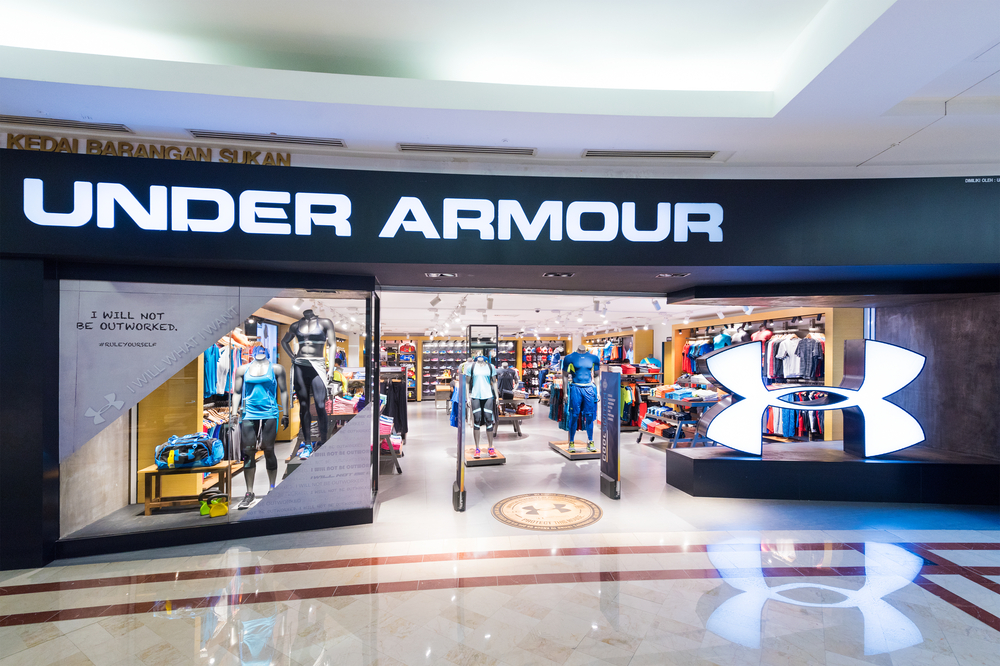
Under Armour, Inc. (NYSE:UAA)'s long-running turnaround just got tougher. On August 7, the athletic clothing manufacturer forecasted a sharper annual revenue decline, and investors responded by sending shares down as much as 9% in early trade, showing the market's lack of patience for a recovery story that is being pushed further out.
The headline number is the forecast drop itself: Under Armour, Inc. (NYSE:UAA) now expects full-year revenue to fall by a mid-single-digit percentage, a significant decrease from its previous target of only a "slight decline." The breakdown is centered right where it hurts the most. Under Armour's North America sector, its largest market by far, saw revenue fall 9% to $609.8 million in the fiscal quarter ended June 30. During the post-earnings call, CFO Reza Taleghani didn't sugarcoat the forecast, telling investors that the company is expecting a more difficult consumer environment, notably in North America and parts of Asia Pacific, to continue through the second quarter.
The pressures behind the miss are largely macro, but they aggravate a company-specific issue. Ongoing inflation and a more difficult consumer-spending environment have caused buyers to be more careful about discretionary purchases such as apparel, footwear, and accessories, a trend that has impacted the whole sportswear industry, not just Under Armour, Inc. (NYSE:UAA). Morningstar analyst David Swartz put it bluntly: the sportswear market is struggling right now, and tariff-related cost constraints aren't helping. On top of the macro pressure is a competitive one. Buyers are increasingly moving toward newer, innovation-focused companies such as On and Hoka.
CEO Kevin Plank, who returned to the position in 2024 to create a turnaround, has pursued a strategy based on doing less, better. The company has reduced its product assortment by about 25%, focusing on higher-priced items in sectors such as training, running, and team sports rather than competing across price points. Plank's own definition of the plan was pointed: consumers do not need more choices, but rather better ones. Under that idea, Under Armour, Inc. (NYSE:UAA) has introduced new goods geared in part at attracting younger Gen Z customers, including training shoes such as the "Surge 5" and "Radiant TR".
That strategic reset did not come cheap. Under Armour, Inc. (NYSE:UAA) stated it had spent $266 million on restructuring and transformation efforts thus far, with the overall turnaround plan scheduled to be completed by the end of the year.
The argument for Under Armour, Inc. (NYSE:UAA) is based on the notion that the pain experienced today is the result of a conscious, disciplined reset rather than a symptom of deeper deterioration. Cutting the product range by around 25% and focusing on higher-priced clothing is a bet that fewer, better items can rebuild both margin and brand equity rather than pursuing volume. With $266 million already spent on restructuring and the plan slated to be completed by the end of the year, the company's highest expenses may be behind it, paving the way for a cleaner cost base in the coming fiscal year. If that discipline remains, SKU reduction and better cost management might lead to considerable margin expansion and full-price sell-through as demand stabilizes.
While management believes that product consolidation and inventory management would eventually restore gross margins and brand reputation, institutional investors remain skeptical. According to filings, hedge fund ownership decreased from 46 in the fourth quarter of the preceding year to 40 in the first quarter of this year. Moreover, short interest is at an excessive 23.98% of total float. This strong short position implies significant institutional skepticism. This skepticism may be related to the timing of North American demand recovery and the company's capacity to maintain pricing power without resorting to margin-diluting promotions.
Under Armour's lowered guidance highlights the need for a structural brand re-invention that takes time, and is hindered by near-term macro headwinds. For investors, the key signals over the next several quarters will be stabilization in North American sales, continued gross-margin improvement, and evidence that reduced discounting can strengthen full-price sell-through.
While we acknowledge the potential of UAA as an investment, we believe certain AI stocks offer greater upside potential and carry less downside risk. If you're looking for an extremely undervalued AI stock that also stands to benefit significantly from Trump-era tariffs and the onshoring trend, see our free report on the best short-term AI stock.
READ NEXT: 33 Stocks That Should Double in 3 Years and 15 Stocks That Will Make You Rich in 10 Years
Disclosure: None. Follow Insider Monkey on Google News.