Maybe your gaming laptop doesn’t have enough storage. Or maybe you simply want to render your game library portable between systems. Rather than upgrade your internal storage — add a speedy external SSD. Not only will you have a lot more fast storage for your games, you can use it on any system you wish.
But choosing the external SSD that’s right for your needs means sorting through a dizzying array of protocol and speed options. Making a poor choice might leave you feeling hard done by, either monetarily or performance-wise. Luckily for you, we’ve tested multitudes of the wee beasties and can offer recommendations guaranteed to improve your gaming experience.
Best 40Gbps external SSD enclosure for gaming
Best 20Gbps external SSD enclosure for gaming
Teamgroup X2 Max — Best 10Gbps thumb drive SSD for gaming
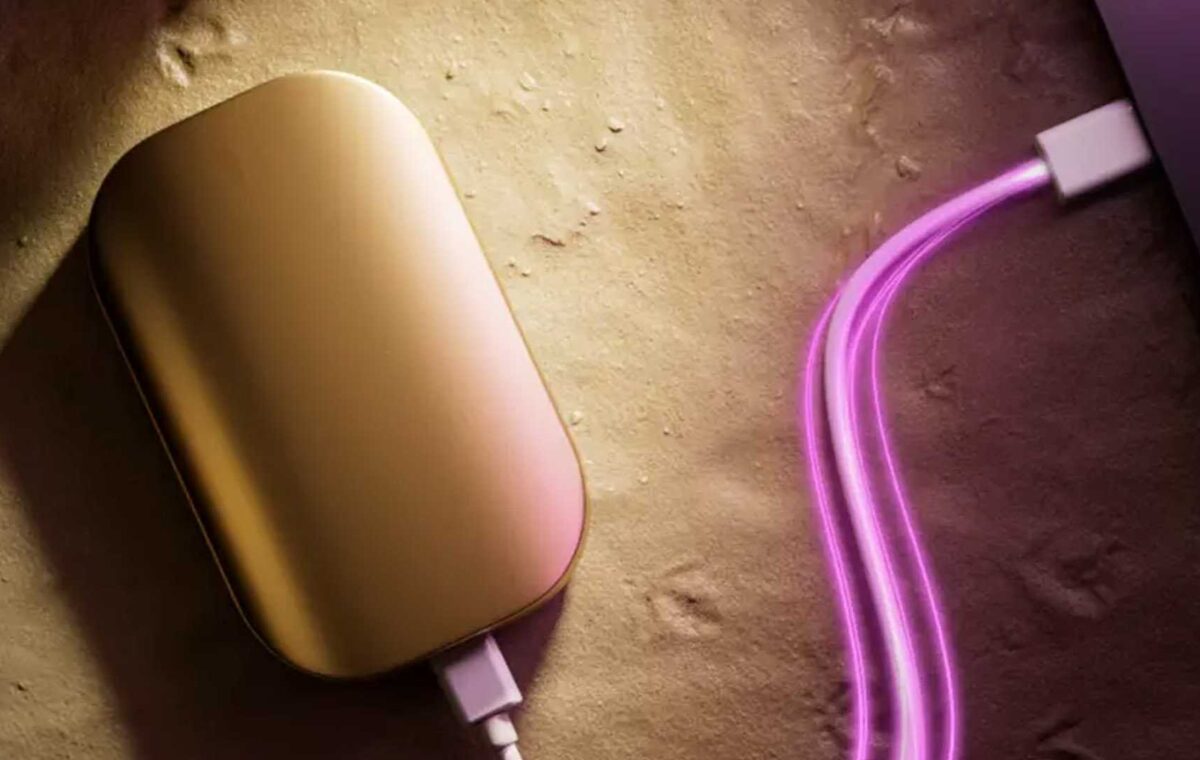
Built for gamers and streamers, FireCuda X Vault offers massive capacity and convenient bus-powered single-cable connectivity. Vault’s striking design with customizable RGB illumination and Windows Dynamic Lighting keeps your vibe in check and syncs to your rig’s energy.
Below we offer recommendations from 80Gbps down to 10Gbps; scroll below those to learn more about our evaluation process and what to look for when buying an external SSD for gaming.
Note that SSD prices have risen considerably since our original reviews thanks to the AI / data center gold rush, and the recommendations below reflect that new reality. The older, linked reviews may not. We’ve also added a couple of enclosures to which you can add your own NVMe SSD, as the availability of many pre-populated SSDs is currently scattershot. Furthermore, an enclosure / DIY option is a way to save money in these time of inflated prices.
Why you should trust PCWorld for external drive reviews and buying advice: PCWorld has been putting computer hardware through its paces for decades. Our external drive evaluations are thorough and rigorous, testing the limits of every product — from performance benchmarks to the practicalities of daily use. As consumers ourselves, we know what makes a product exceptional, or not. For more about our testing process, scroll to the bottom of this article.
Anyone looking for top performance from an external SSD and who has the somewhat rare 80Gbps port to handle it, should shop the LaCie Rugged SSD Pro5. It’s not the fastest 80Gbps SSD I’ve tested, but it was close. Better, it’s available most of the time and its price hadn’t gone through the roof when I last checked.
The silicone-wrapped Rugged SSD Pro5 is beefed up to the tune of IP68 to ward off dust and liquids. It also features a full five-year warranty — two years longer than the norm for external SSDs. And while SSD components all come from the same sources, the LaCie (Seagate owned) name means something in the industry.
Note that this drive was reviewed for sister publication Macworld, but by this same author and run through the same battery of tests I use for my PCWorld reviews.
For those who still want stellar sustained throughput, but for less moolah than an 80Gbps SSD, the 40Gbps SE920 will get the job done and then some. Note, a 40Gbps USB4 external SSD isn’t for everyone. Your PC needs to support the USB4 or the Thunderbolt 3/4/5 spec in order to take advantage — and while cheaper than 80Gbps, it’s still not cheap.
If you’re equipped to enter the club, the Adata SE920 EX will reward you with nearly 4GBps transfers, and at a slightly more affordable price than our previous pick for USB4, the OWC Express 1M2 — we’re talking $280 for a 1TB Adata SE920 versus $300 for the 1TB OWC drive. If you want a lot of capacity, the Adata SE920 EX ships with up to 4TB, though like all such-capacity SSDs, it’s currently in short supply and has become very expensive.
In almost every benchmark, the SE920 EX beat the OWC Express 1M2, albeit by very small margins. It also comes with a nifty built-in fan, which is activated by sliding open the enclosure. This kept my drive noticeably free of heat during benchmark tests.