Account subscription benefits alongside Premium Stories, Editorials,
Opinions and more. Unlock these with Subscription
The View From India
Looking at World Affairs from the Indian perspective.
First Day First Show
News and reviews from the world of cinema and streaming.
Today's Cache
Your download of the top 5 technology stories of the day.
Science For All
The weekly newsletter from science writers takes the jargon out of science and puts the fun in!
Data Point
Decoding the headlines with facts, figures, and numbers
THEdge
At the cutting edge of education and careers
Health Matters
Ramya Kannan writes to you on getting to good health, and staying there
Gender Agenda
Stories from beyond the binary.
The Hindu On Books
Books of the week, reviews, excerpts, new titles and features.
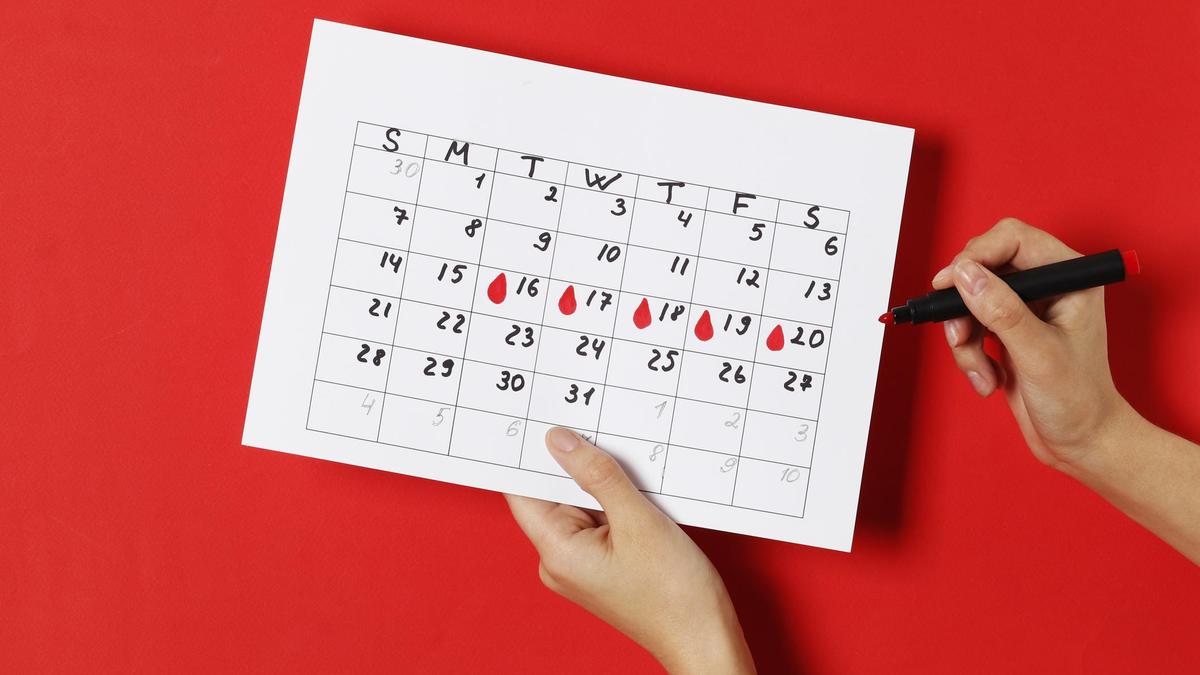
When irregular cycles, heavy bleeding or severe pain persist, it is important to look for other possible underlying causes rather than assume they are related to the weather |Image used for representational purpose only
| Photo Credit: Getty Images
A period arriving a few days earlier or later than expected can be unsettling, particularly during a heatwave, a spell of heavy rain or a sudden change in routine. The menstrual cycle is primarily regulated by hormonal signals between the brain and ovaries. Weather does not directly control menstruation, but extreme conditions can place physical stress on the body and affect sleep, hydration, physical activity, appetite and stress levels. These changes may, in turn, affect ovulation and the symptoms experienced around a period.
Sandhya Vasan, director and senior consultant, gynecology, SIMS Hospital, Chennai, says extreme weather can act as a physiological stressor. The body’s stress response involves hormones such as cortisol, which can affect the hypothalamic-pituitary-ovarian (HPO) axis that regulates ovulation and menstruation. If this hormonal signalling is disrupted, ovulation may be delayed, occur earlier or, in some cases, be skipped, resulting in a longer, shorter or irregular cycle.
The evidence linking weather directly to menstrual changes, however, remains limited. Much of the effect may come from the changes that extreme weather brings to everyday life rather than from temperature itself.
Extreme heat can make an already uncomfortable period harder to manage. Dehydration, fatigue and poor sleep can add to the physical stress of menstruation and may make cramps, headaches, dizziness and premenstrual symptoms more noticeable.