Get the Popular Science daily newsletter💡
Breakthroughs, discoveries, and DIY tips sent six days a week.
Infamous and grisly tales of ancient Egyptian mummy curses are more rooted in antiquated cultural biases and racism than mystical foul play, but that doesn’t mean these ancient remains are completely free from danger. According to archaeologists, collectors around the world are still routinely interacting with the millennia-old biological material without considering the pathological and microbial consequences.
“Our research revealed that mummified remains sold online exhibit signs of biodeterioration, yet sellers provide no safety guidance, suggesting limited awareness or deliberate disregard of hazards,” bioarchaeologist Kirsty Squires at the University of Staffordshire in the U.K. said in a recent profile.
For the International Journal of Cultural Property, Squires and her colleagues analyzed nearly 130 auction listings and online posts marketing mummified human and animal remains to potential customers. Human body parts like hands and feet were the most common selections, but over half of the reviewed lots included heads that varied in preservation and completeness. The vendors offering these remains also regularly failed to supply proper information about how to handle and care for the objects, while some listings even included photos of people interacting with mummified human body parts without gloves.
“There is also evidence to show that mummified remains are being mailed to buyers, both nationally and internationally, with little (if any) consideration of the health and safety implications of these actions,” Squires added.
The dangers from improperly transporting and handling mummified relics are largely twofold. In many instances, bodies still contain traces of toxic embalming additives like lead, mercury, and arsenic. Then there are the pathogens—an issue with clear historical precedent. Biodegradation increases the risk of microbial contamination, even when remains appear well-preserved. Amid the 1970s, 10 out of a team of 12 conservationists died from inhaling Aspergillus mold spores after opening the tomb of King Casimir IV Jagiellon (1427–1492 CE) in Kraków, Poland.
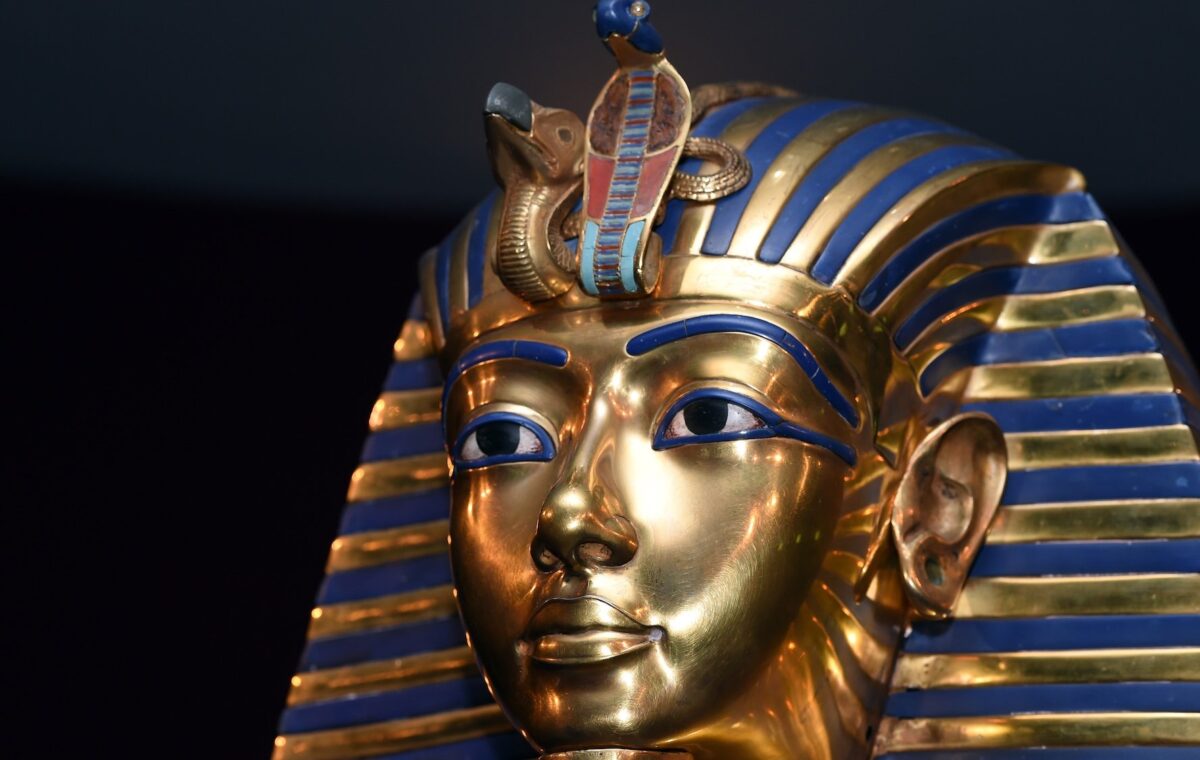
Ironically, the most famous potential example of archaeological biohazards is also the one that helped popularize myths of ancient mummy curses. Despite the urban legends suggesting mystical foul play befell the team who opened King Tutankhamun’s tomb during the early 20th century, a growing body of evidence suggests a more plausible scenario. Instead of vengeful spirits, another case of Aspergillosis is possibly what killed the expedition’s patron, Lord Carnarvon, in 1923. Unfortunately, similar carelessness still appears to be an issue more than a century later.
“Despite the notable health and safety risks associated with handling mummified remains, they are typically overlooked by sellers in this unregulated market,” warned Squires, who added that any potential buyers should “remain vigilant” and report sketchy mummy memorabilia to the proper authorities.
2026 Popular Science Home of the Future Awards
39 products that will improve your everyday life.
Andrew Paul is a staff writer for Popular Science.