Mumbai: Mahindra & Mahindra aims to gain market share from market leaders Tata Motors and Ashok Leyland by leveraging the combined SML Mahindra entity to plug gaps in its commercial vehicle portfolio and launch new products in segments where it is not currently present, according to a top executive.
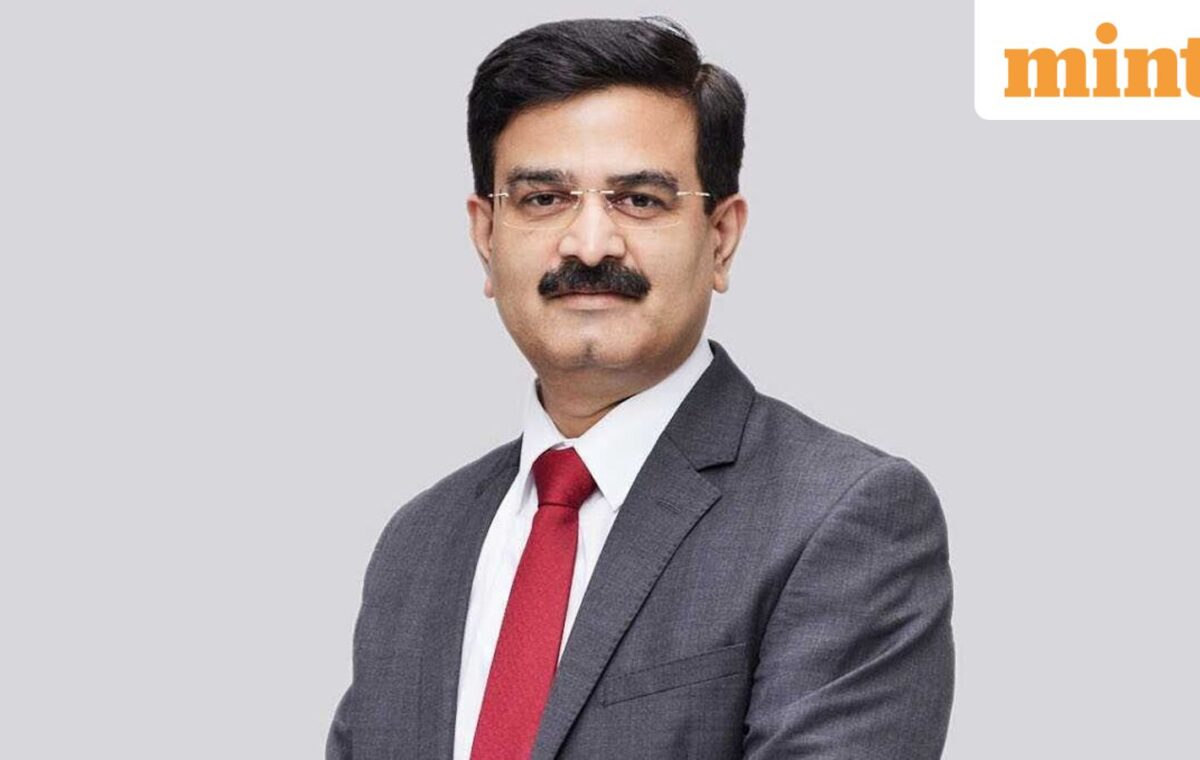
In an interview with Mint on the sidelines of new product launches, Vinod Sahay, president of Trucks and Buses and executive chairman at SML Mahindra, said that the businesses are developing two new engines, one each for Mahindra and SML, to launch new, heavier trucks in the intermediate commercial vehicle segment, where it has a limited presence, in a bid to take on market leaders.The new engines, expected over the next two years, are aimed at helping the company double its ICV truck market share from the current 4-4.5%. Mahindra also plans to use SML to strengthen its electric bus portfolio, as new-age and legacy players are locked in intense competition, initially focusing on electrifying school and staff buses, where both brands already operate.
“SML actually does not play in ICV trucks because they have a limited range; they are limited because of one engine, but on the Mahindra side, we have more engines, but we are also not playing beyond 16 tons,” Sahay said.“So, we want to go to 16, 17, 18 tonnes. So, in the entire two-axle truck, we want to go up to 18 tonnes for which there are 2 engines which are under development right now, one on the SML side, another one on the Mahindra side,” he added.
Mahindra Group acquired a 59% controlling stake in SML Isuzu last year for ₹555 crore last year in a bid to expand its presence in the commercial vehicle market. Post this acquisition, the entity was renamed to SML Mahindra.Last month, the conglomerate announced that its entire commercial vehicle business will be housed under SML Mahindra, as it will acquire Mahindra and Mahindra's Mahindra Trucks and Buses business for ₹525 crore.
Moreover, the company is looking to strengthen its presence in the buses segment, where the combined entity already holds a strong presence, especially in the school bus market.
Mahindra’s push in the commercial vehicle segment comes after it has gained a foothold in the 4.7 million passenger vehicle market and jumped to the number two position in FY26, dethroning Hyundai Motor India.
The company is now trying to take on Tata Motors and Ashok Leyland in the heavy trucks segment.
The commercial vehicle market is divided into segments, including heavy, intermediate, light, and medium commercial vehicles. While the combination of Mahindra’s truck and bus division and SML Mahindra has a top-three presence in the intermediate light commercial vehicle segment, buses have limited presence in the truck segment.
According to data from the Society of Indian Automobile Manufacturers (SIAM), the million-unit commercial vehicle market has over 600,000 vehicles in the light commercial vehicle segment, while the medium, intermediate, and heavy commercial vehicle market has over 400,000 units sold. Moreover, each segment has both passenger and goods-carrier offerings, which requires companies to have a broader product range.
A strong presence in the commercial vehicle business will give Mahindra a presence across the two-wheeler segment, from two-wheelers to heavy commercial vehicles.
According to Sahay, the company plans to leverage each other’s networks and product development capabilities, including in powertrains, to roll out products quickly.
“We can bring the CNG range to Mahindra truck dealers very quickly, and similarly, there are products on the Mahindra side which SML does not have,” Sahay said.The company is exploring how to expand its presence in the electric bus segment, but will not rush into the city ebus market, which is being subsidised by the Centre under PM E Drive through a ₹10,900 crore outlay,
“We don't play in the stage carriage application where the electrification is right now happening largely subsidized and with the government's incentive which are there. So entering that segment is a bigger decision for us,” Sahay said.“Before talking about the alternative. So right now, for us, we are making electric buses. But we are going to first make it for the range where we already are. Because that's the business which we know of and that's where our customers know of,” he added.
According to the company's investor presentation dated 29 July, Mahindra aims to increase the consolidated revenue of the commercial vehicle business housed under SML Mahindra to ₹12,500 crore. From a 6% market share in trucks and buses segment in FY2026, the company aims to reach 20% in the next decade.
“I would say that this aspiration is not going to be easy, but it is also not kite flying, and hopefully with some bit of luck and our products doing well, we should be able to do even better,” Sahay said.