Account subscription benefits alongside Premium Stories, Editorials,
Opinions and more. Unlock these with Subscription
The View From India
Looking at World Affairs from the Indian perspective.
First Day First Show
News and reviews from the world of cinema and streaming.
Today's Cache
Your download of the top 5 technology stories of the day.
Science For All
The weekly newsletter from science writers takes the jargon out of science and puts the fun in!
Data Point
Decoding the headlines with facts, figures, and numbers
THEdge
At the cutting edge of education and careers
Health Matters
Ramya Kannan writes to you on getting to good health, and staying there
Gender Agenda
Stories from beyond the binary.
The Hindu On Books
Books of the week, reviews, excerpts, new titles and features.
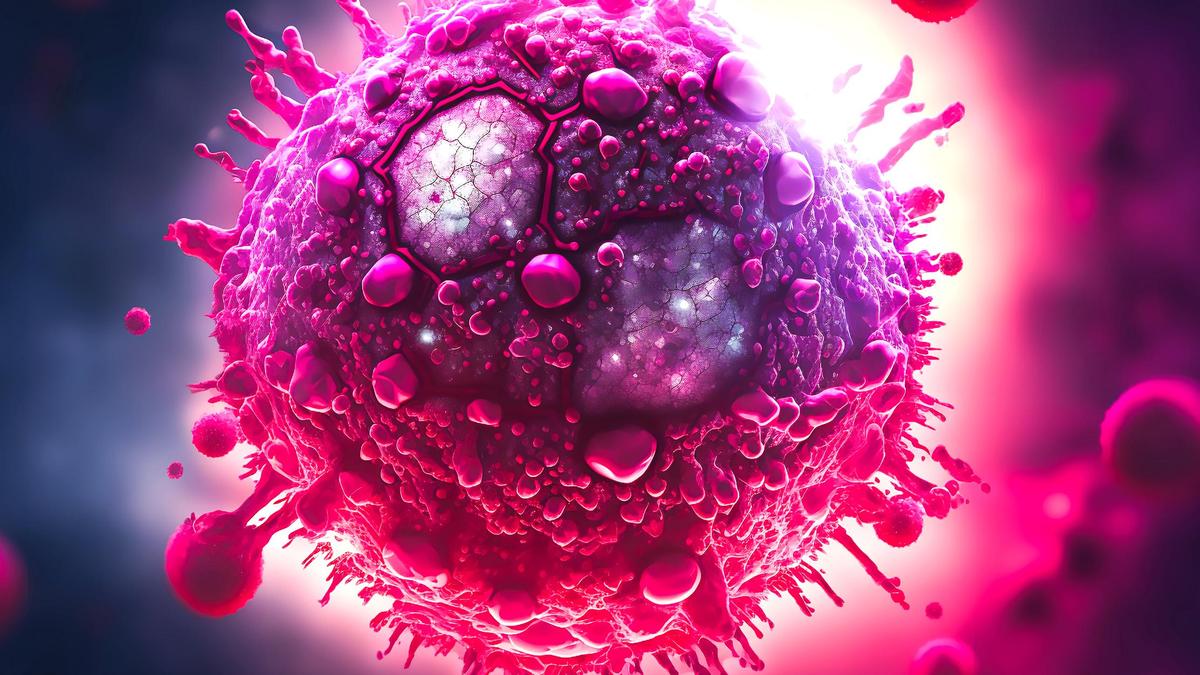
Humans have been synthesising viral genomes and deliberately modifying viruses for decades. What is new, is not the physical manufacture of a virus. AI has entered the design stage of biology. Image used for representational purposes only
| Photo Credit: Getty Images/iStockphoto
The computer did not create a virus. It did not touch a test tube or handle a living cell. What it did may ultimately be more consequential: it helped decide what the virus’s genome should be.
Researchers at Stanford University and the Arc Institute used artificial intelligence (AI) to design complete genomes of bacteriophages – viruses that infect bacteria. Of 285 AI-generated designs physically synthesised and tested in the laboratory, 16 produced functioning phages. Some were able to overcome bacterial resistance that defeated the original virus. The phrase ‘AI-created viruses’ therefore needs qualification. Humans have been synthesising viral genomes and deliberately modifying viruses for decades. What is new, is not the physical manufacture of a virus. AI has entered the design stage of biology. For medicine, that creates remarkable opportunities. For biosecurity, it raises equally important questions.
Copyright© 2026, THG PUBLISHING PVT LTD. or its affiliated companies. All rights reserved.
Comments have to be in English, and in full sentences. They cannot be abusive or personal. Please abide by our community guidelines for posting your comments.