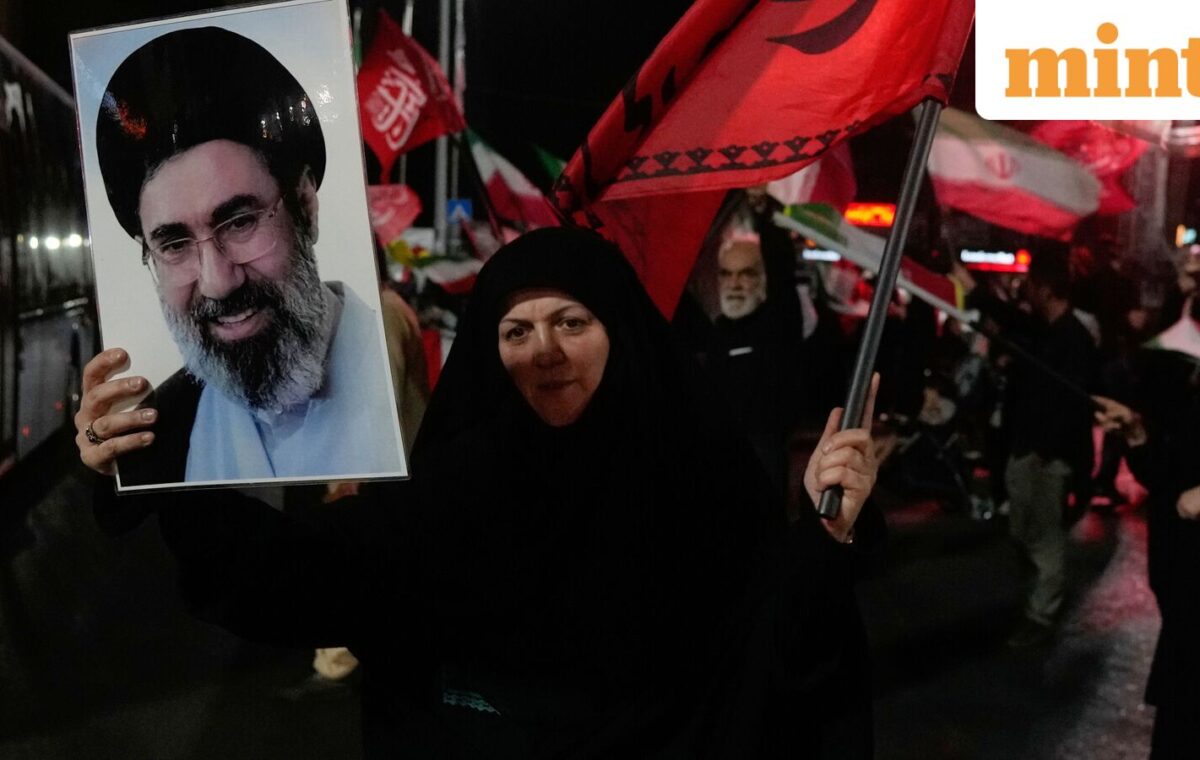
Iran and the United States remain deadlocked over efforts to end their months-long conflict in the Gulf, with Tehran saying there has been no progress toward reviving an interim agreement reached in June or setting a timeline for implementing its commitments.
The standoff comes as Iran signals a tougher military posture and tensions continue around the strategically vital Strait of Hormuz, raising fresh doubts over prospects for a lasting peace.
Mohammad Reza Naqdi, an adviser to the commander of Iran’s Islamic Revolutionary Guard Corps (IRGC), said Tehran was moving toward an “offensive doctrine” following a series of senior military appointments by Supreme Leader Mojtaba Khamenei.
Speaking on Iranian state television, Naqdi said the IRGC must be prepared to conduct operations inside enemy territory when conditions allow.
He contrasted the new approach with Iran’s pre-war strategy, which he described as being primarily focused on defence and preserving the country.
The comments signal a significant shift in Iran’s military posture and come amid continued tensions with the United States.
A senior Iranian source told Reuters that Tehran and Washington remain divided over efforts to revive the interim agreement reached in June.
The source said mediators have discussed a US return to the agreement and the possibility of establishing a timeline for Washington and Tehran to fulfil their respective commitments.
“There has been absolutely no progress on this issue,” the source said.
Iran has rejected reports that the 60-day period set under the June agreement could be extended, arguing that the period never properly began because Washington violated the agreement shortly after it was reached.
The June deal had called for an immediate and permanent halt to military operations and provided a 60-day period for negotiations toward a broader agreement involving Iran’s nuclear programme and US sanctions.
The Strait of Hormuz has emerged as one of the biggest obstacles to a new agreement.
The United States has accused Iran of failing to meet commitments to reopen the strategic shipping route. Tehran, meanwhile, says Washington has failed to honour its own obligations, including lifting a blockade on Iranian ports and releasing frozen Iranian assets.
Iranian security official Mohsen Rezaei said the strait would remain closed unless Washington accepted Tehran’s conditions for ending the war.
The waterway, located between Iran and Oman, handled about one-fifth of global oil and liquefied natural gas flows before the conflict, making any prolonged disruption a major concern for energy markets.