You have reached your maximum number of saved items.
Had the Pasha Bulker freighter stayed stranded on a Newcastle beach a few years longer after it ran aground in 2007, perhaps it would have qualified for a federal bailout too.
There is scarcely another ageing industrial facility around the country that hasn’t won a truckload of taxpayer cash.
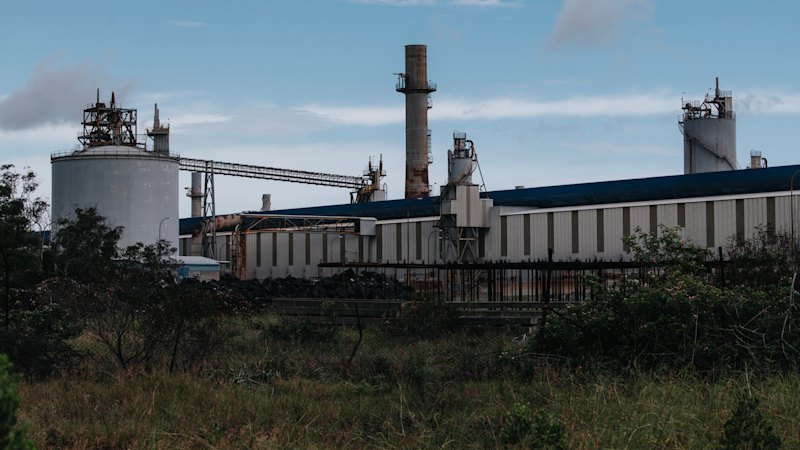
There’s the $240 million Nyrstar zinc and lead smelter bailout in SA and Tasmania; the $600 million Mount Isa copper smelter bailout; the $2 billion aluminium smelter bailout in Gladstone; and now, $2.5 billion for the largest smelter in the country, Rio Tinto’s Tomago facility near Newcastle.
That equates to $2.5 million for each of the 1000 jobs saved at Tomago. It’s an extraordinary cost to be borne by the NSW and federal taxpayers. Of course, that’s rough maths on headline figures, but it’s those figures that governments use when they spruik the employment benefits of these bailouts, so they should be held to that standard.
And it’s even more extraordinary when compared with the Albanese government’s response to the next wave of disruption sweeping the country, one predicted to eventually cause major lay-offs. On AI, the government’s broad stance is: let it rip. No fresh laws, no well-funded regulator, just an office within the prime minister’s own department to keep an eye on things.
In 10 years’ time, another government may find itself bailing out advertising agencies and consultancies the same way Canberra is now backstopping the smelters.
But the deeper justification for the Tomago bailout is that aluminium and copper are critical to the clean energy transition Australia is desperately trying to complete.
If we can get smelters through this period and green up the facilities, the argument goes, then they may become viable industries again that can add value to the raw materials like bauxite mined in Australia. Perhaps environmentally minded consumers will pay a premium.
On the other hand, if we lose the smelters, we won’t get them back. That leaves us reliant on nations like China, where smelters have no end of state support. Could Australia access aluminium in the event of a global conflict? Doubtful.
It must be wrenching to be laid off years into a blue-collar career. Former Qantas workers sacked illegally in the pandemic have told this masthead they are struggling. A 2023 survey of 800 people fired when South Australian automotive factories closed found 20 per cent remained unemployed, but of those with a job, half retained similar salaries, while a fifth were worse off and a third were better off.
The car industry raises an uncomfortable question for the smelters, though. If we’d kept making combustion engine cars in Australia with a bailout in the 2000s, that industry would have been ill-prepared for the switch to battery power. Witness the lay-offs of vast numbers of workers from the German automotive industry this year for that very reason. That industry had years of time and vast reserves of money to make the switch. It didn’t. So an Australian automotive bailout then would’ve likely necessitated another one now.
When the Albanese government’s support for the smelters – and their typically highly profitable multinational parent companies like Rio Tinto – runs out, they may well end up like the Pasha Bulker. Stranded.
The Business Briefing newsletter delivers major stories, exclusive coverage and expert opinion. Sign up to get it every weekday morning.
You have reached your maximum number of saved items.