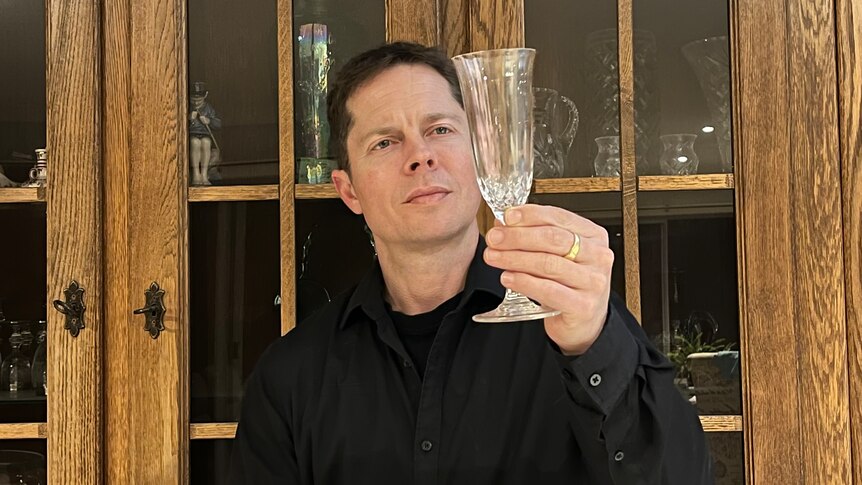
Daniel McBurnie has been using the SUPP platform since 2021. (Supplied: Daniel McBurnie)
The Fair Work Ombudsman will scrutinise hospitality marketplace Supp, after a worker raised concerns it was misclassifying people who use the platform to find shifts.
Supp is branded as a "recruitment app that's made for the rush", and since 2017, it has been operating as a central hub for bars, pubs and cafes to advertise work.
Individuals can sign up to the platform and apply for shifts posted by businesses, with a description of the work and the hourly rate.
SUPP was created in 2017 and acts as a hospitality marketplace for businesses and workers. (ABC News: Adelaide Miller)
The Supp website refers to workers as "independent contractors" and says it is workers' responsibility to divide their payments to "meet their relevant taxation and superannuation obligations".
Rather than hospitality businesses paying workers through an ordinary payroll system, the Supp platform handles payment on their behalf.
Employment lawyer Fay Calderone told the ABC she is concerned this arrangement could be leaving workers without their correct entitlements, including to superannuation.
"One of the key legal risks in this area is assuming that contractual labels will be determinative," Ms Calderone, a partner at Hall and Wilcox, said.
Employment lawyer and partner at Hall and Wilcox Fay Calderone says calling someone a contractor doesn't necessarily mean this is correct. (ABC News: Abubakr Sajid)
The Fair Work Ombudsman spokesperson said it will make inquiries into Supp: "We are unable to comment on those further."
"We encourage any workers with concerns to contact us directly for assistance," the spokesperson said.
"The FWO also has an online anonymous report tool, including options to report in languages other than English."
Concerns about sham contracting in the gig economy, where employers say workers are independent contractors not employees, have been raised for years, with companies battling claims in court.
The Supp website states that it has links to at least 15,000 venues, and more than 200,000 workers, across Melbourne, Sydney, Los Angeles and New York City.