Environment and Climate Change Canada has rolled out a new extreme weather alert system that meteorologists say could help reduce “alert fatigue.”
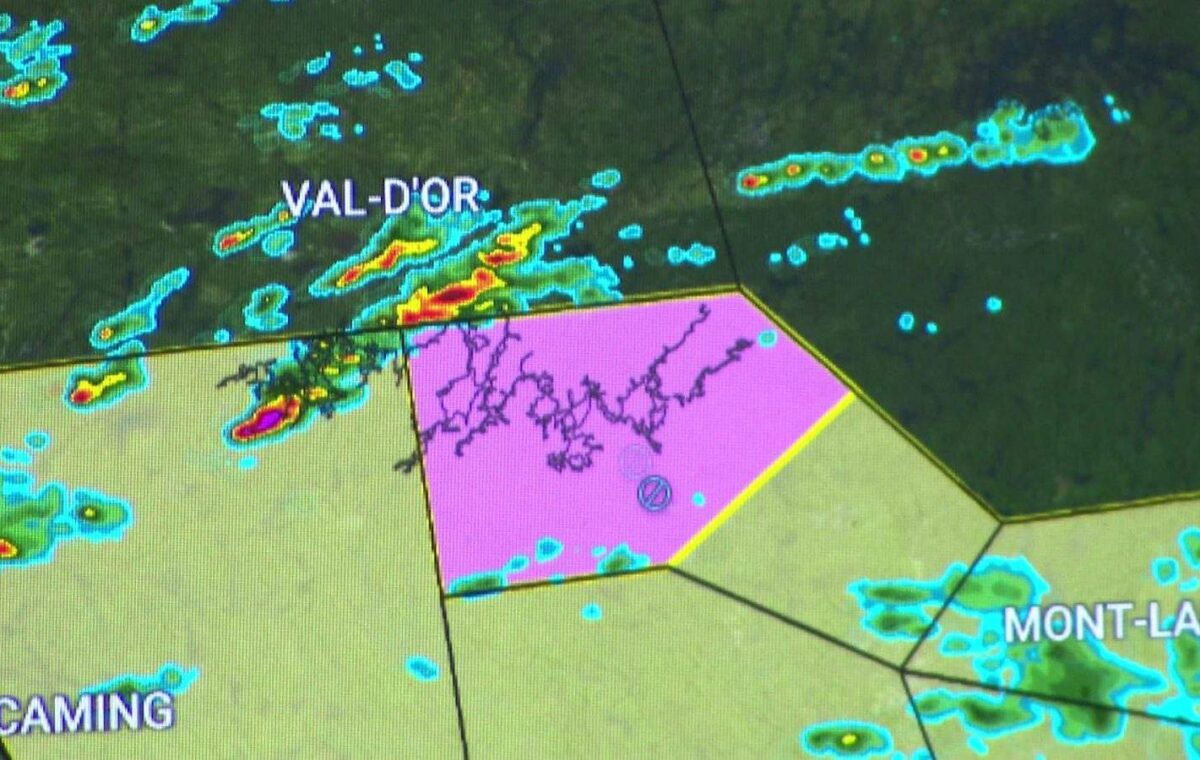
Beginning Tuesday, Environment Canada is using a system that allows forecasters to draw a polygon over an area encompassing a severe weather alert.
This new system allows for a much more targeted approach, Giselle Dookhie, an emergency preparedness meteorologist with Environment Canada, told Global News.
“This will greatly reduce the areas that would have been otherwise warned when we had zone-based forecasting, which is perfect because it reduces those alert notifications if you’re not expected to be impacted by that warning,” she said.
The more precise warnings comes after the national weather agency launched new alert system last fall that added colour codes — yellow, orange or red — to indicate the seriousness of the weather event.
Yellow alerts are the most common. They are issued when hazardous weather may cause damage, disruption, or health impacts. Impacts are likely moderate, localized, and/or short-term.
Orange alerts are issued when severe weather is likely to cause significant damage, disruption, or health impacts. Impacts can be major, widespread, and/or may last a few days.
Red alerts are rare. They are issued when very dangerous and possibly life-threatening weather will cause extreme damage and disruption. Impacts have the potential to be extensive, widespread, and prolonged.
That system introduced in November 2025 still left an entire region blanketed by the colour-coded alerts.
Dookhie said the update rolled out this week will issue more targeted warnings for severe thunderstorms and tornadoes — only to the affected areas.
Dookhie said the biggest impact will be reducing what has become known as “alert fatigue” caused by blanket alerts that cover areas outside the path of severe weather.
“We really do want Canadians to take warnings very seriously and when they do see a threat that it’s likely to impact them, there is someone behind the scenes that is checking closely on these storms and they want you to do what you need to protect yourself, others and your property from harm,” she said.
The changes only apply to severe thunderstorm and tornado warnings — other alerts like heat warnings and thunderstorm watches will still have broad alert areas.
Global News meteorologist Anthony Farnell said he has been waiting for Environment Canada to implement this forecasting system, which has been in place in the U.S. for 16 years.
“It led to big improvements south of the border,” he said.