The response to this summer’s record heat and drought should be led by ministers – not left to the emergency services
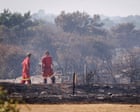
The wildfire that began on protected heathland in the New Forest in Hampshire on Sunday was reported to be under control on Tuesday. But with temperatures forecast to reach 36C or higher in parts of England on Thursday, the risk of further outbreaks remains high. Firefighters responded to 185 wildfires in the first 10 days of August. In coastal Suffolk, conservationists and locals are counting the cost of the blaze that devastated Dunwich Heath. Its vegetation and rare bird populations are expected to take decades to recover.
Although the immediate cause of many wildfires is litter, the risks are elevated by heat and drought, and repeated warnings from climate scientists do not necessarily lessen the shock and distress caused. As people and governments across Europe assess this summer’s damage, experts including the UN climate chief, Simon Stiell, hope that the fires will focus minds on the urgent necessity of cutting emissions – as well as investing in emergency planning. Europe is currently heating up faster than any other continent, due in part to proximity to the melting Arctic.
The global, existential nature of the climate crisis makes it an awkward fit with Andy Burnham’s current focus on “everyday fixes”. But if he does not find more to say about the summer’s disasters, he is in danger of being left behind. The National Trust has already surpassed its £500,000 fundraising target to restore Dunwich Heath. Conservationists and farmers are publicly debating the best ways to prevent fires. The Fire Brigades Union (FBU) is pushing for 5,000 additional firefighters across the UK, along with new equipment.
In March, the then fire safety minister, Samantha Dixon, said that the fire and rescue service had suffered from “decades of drift and inertia”. Her speech also confirmed that a new College of Fire and Rescue would oversee professional standards, as recommended by the Grenfell inquiry. But three weeks ago Ms Dixon was sacked. If the government wants to avoid an impression that drift and inertia are ongoing, they need to provide an update, along with a response to repeated calls from the fire service inspectorate for new enforcement powers. MPs on the home affairs committee threw their weight behind this idea two years ago.
The fire and rescue service is popular with the public. Even highly critical sections of the Grenfell inquiry report did not significantly undermine confidence in it. This summer’s events seem likely to reaffirm this positive regard, and rightly so: public servants who do dangerous, difficult jobs, when many other people are on holiday, deserve to be appreciated. But scrutiny of the service is also important. An inquiry by the home affairs select committee, which was summarised in a letter to the home secretary in 2024, contained strong criticism of its culture and leadership.
Such concerns deserve a fuller response than they have so far received from ministers. So do the FBU’s call for investment to cope with rising risks, and proposals for a temporary ban on disposable barbecues. Ill-informed and ideological attempts to blame rewilding should also be addressed by ministers. Working groups on how to reduce wildfire risks must produce plans. The latest report from the government’s Climate Change Committee found that existing adaptation plans are not fit for purpose. This summer’s extraordinary heat, drought and wildfires should be a spur to action on both the fire service and the wider climate crisis.