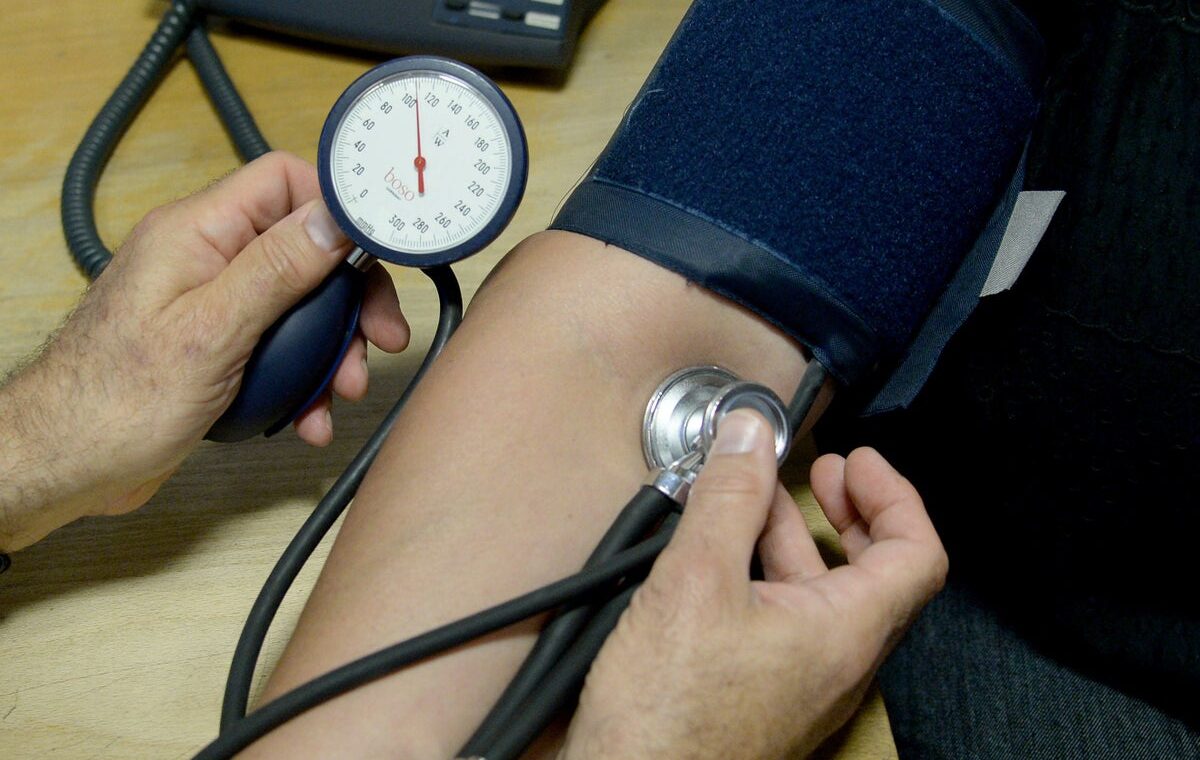
The 20-minute appointment is offered to people aged 40 to 74 to check for their risk of certain medical conditions
I would like to be emailed about offers, events and updates from The Independent. Read our Privacy notice
Attending a midlife health MoT reduces the likelihood of dying in the decade following the appointment, according to new research.
The NHS Health Check provides a 20-minute consultation for people aged between 40 and 74, aimed at identifying their risk of developing specific medical conditions.
Following their assessment, patients receive personalised guidance tailored to their personal results.
The study analysed records from more than 150,000 London residents compiled between 2009 and 2023. Investigators evaluated the mortality risk of 42,000 individuals who accepted an invitation for an NHS Health Check, contrasting their outcomes against 116,000 people who chose not to participate.
Those who underwent at least one appointment were projected to have a 32 per cent lower risk of death over a 10-year period compared with those who never attended a check.
Older people eligible for the check appeared to reap the most benefit of attending, with people aged 65 to 69 seeing a 43 per centreduced risk of death in the next decade, and those aged 70-74 seeing a 46 per cent lower odds.
The authors wrote in the British Journal of General Practice: “This study suggests significant long-term survival benefit associated with the NHS Health Check, supporting continued investment in and optimisation of the programme to provide population health benefits.”
The NHS Health Check is a free assessment which tells people whether they are at risk of certain conditions including heart disease, diabetes, kidney disease or stroke.
People over 65 will also be told about dementia symptoms and women will get menopause advice during the check-ups, which should be offered every five years.
A health professional will take a number of measurements including weight, height and blood pressure, check cholesterol and ask for information about alcohol intake and physical activity levels.
Based on the information, people are given advice on exercise, smoking, diet – including salt intake, alcohol consumption and improving cholesterol levels.
Earlier this year, a new report from GP magazine Pulse suggests that a limit is being placed on the number of patients who can access these screenings in some parts of the country.
These checks are also soon set to incorporate advice and support specifically for the menopause.