Skip to content
Live newsroom
Wednesday, August 5, 2026 Live Sync: Just now
Business and future technology newspaper
Business. Innovation. Tomorrow.
BreakingYour phone could switch networks when yours drops out. Telstra says no
Technology & Future Tech

What happens when you put AI to work deciphering lost languages?

Every ancient language that has ever been deciphered needed an anchor. Usually that’s a bilingual text, like the Rosetta Stone, or a known relative to compare it to. Linear A, the writing system of the Bronze Age Minoan civilization on the Greek island of Crete, has neither. Linear A is described as a “language isolate” […]

By deepak · August 3, 2026 · 1 min read

Every ancient language that has ever been deciphered needed an anchor. Usually that’s a bilingual text, like the Rosetta Stone, or a known relative to compare it to. Linear A, the writing system of the Bronze Age Minoan civilization on the Greek island of Crete, has neither.

Linear A is described as a “language isolate” because it has no confirmed link to any known language, living or dead. As such, it has posed a significant challenge for linguists over the past century.

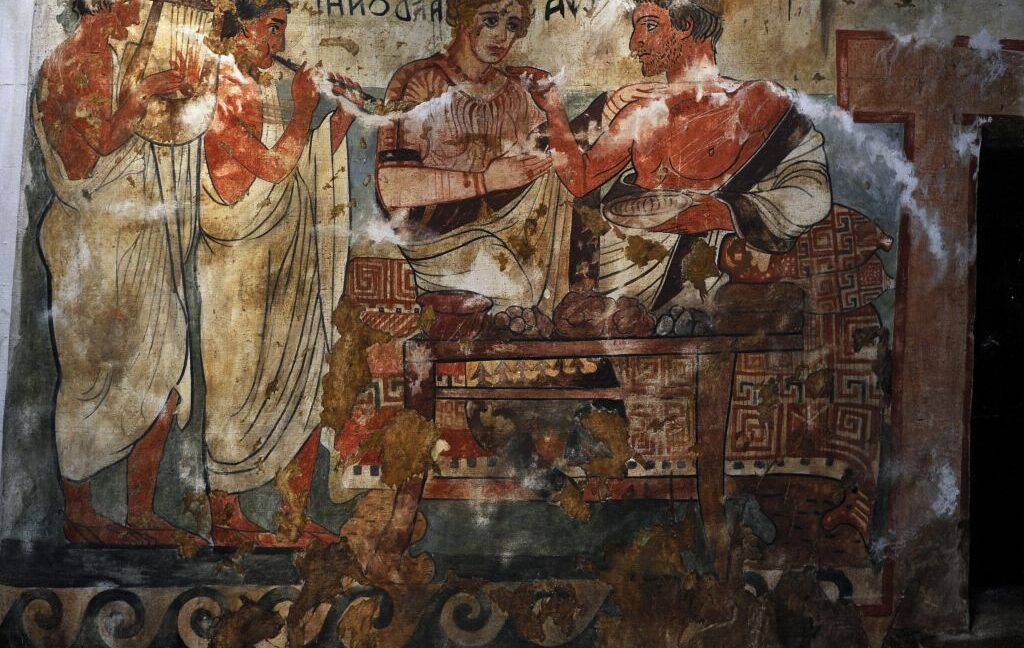
Etruscan, a language of Italy that was used before the rise of the Roman Empire, has fared only slightly better. A partial vocabulary has been collected from short funerary inscriptions, but its grammar and deeper meaning still elude linguists.

Read full article

Comments

Source: Read the original article on arstechnica.com