You have reached your maximum number of saved items.
On the surface, the issue with Australia’s air traffic control system is simple. It has too few staff, and when they exercise their right to unlimited days of sick leave, flights have to be delayed.
But industry insiders and union representatives point to a much deeper organisational malaise. They claim that despite two external reviews six years ago, Airservices Australia (ASA) is still a fragmented “old-school boys’ club” rife with favouritism.
“Management had their favourites, and if you did not fit in with the ‘in crowd’ you were at a disadvantage,” says one former Airservices employee. A former staffer adds that even hires recruited from overseas, who Airservices actively court, are often treated poorly because agency leadership “just want to do it the same way it’s always been done”.
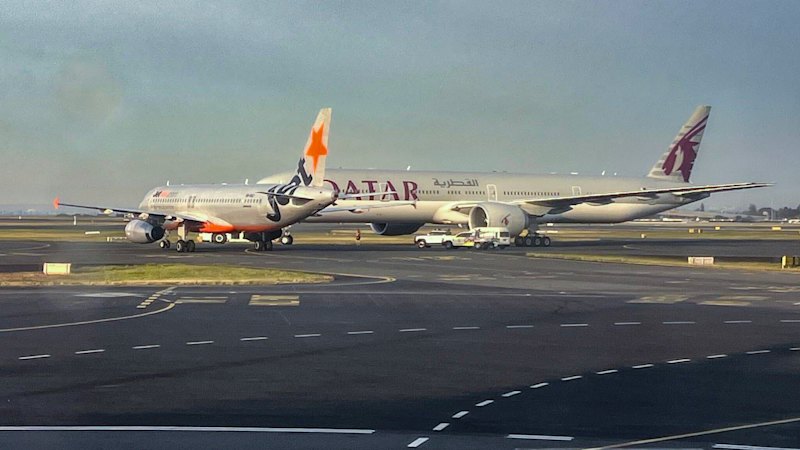
It’s easy to see how that could lead to staff shortages, despite air traffic controllers being very well paid, and even potentially the two near misses between planes on the tarmac in recent weeks. Who wants to work in such an environment, especially where a momentary lapse in attention can lead to disaster?
Airservices, which is a government-owned service provider, underwent a culture review in 2020 that found unacceptable levels of bullying and sexual harassment.
It triggered 36 investigations into possible breaches of its workplace code of conduct. The report by sex discrimination commissioner Elizabeth Broderick followed a 2019 report by former Federal Court justice Tony North, commissioned by the air traffic controllers union’s law firm, which found sexual harassment, rampant bullying and discrimination.
To his credit, Airservices chief executive Rob Sharp, speaking to this masthead on Monday, does not deny the possibility of a hostile work environment, acknowledging that he has heard these cultural complaints and making clear that management takes feedback on culture seriously.
“I think there’s more to do there, I wouldn’t say that there’s not,” Sharp says.
But, he adds: “The risk in saying there’s a cultural issue is that it comes across as blaming your staff, and I absolutely don’t do that. The air traffic control is a highly professional group.”
According to Scott Nugent, president of the air traffic controllers’ union Civil Air, the system relies heavily on overtime, pushing staff to severe fatigue and burnout. Nugent notes that he is speaking only about staffing levels, not the incidents at Sydney Airport, which remain under investigation.
“There’s just not enough air traffic controllers at Sydney Airport,” Nugent says.
“In Sydney Airport, they are, and have been for a long time, relying on air traffic controllers doing overtime, some of them doing 10 shifts on, and then one day off, over and over, in order to keep the tower running properly.”
The staffing deficit dramatically worsened in 2021, when ASA offered voluntary redundancies to 144 air traffic controllers during the COVID-19 aviation slump. When borders reopened and aviation roared back, the agency was left understaffed.
Under the agency’s pay deal with staff, controllers can take sick leave any time they are unwell, with no limit on the total number of days.