Account subscription benefits alongside Premium Stories, Editorials,
Opinions and more. Unlock these with Subscription
The View From India
Looking at World Affairs from the Indian perspective.
First Day First Show
News and reviews from the world of cinema and streaming.
Today's Cache
Your download of the top 5 technology stories of the day.
Science For All
The weekly newsletter from science writers takes the jargon out of science and puts the fun in!
Data Point
Decoding the headlines with facts, figures, and numbers
THEdge
At the cutting edge of education and careers
Health Matters
Ramya Kannan writes to you on getting to good health, and staying there
Gender Agenda
Stories from beyond the binary.
The Hindu On Books
Books of the week, reviews, excerpts, new titles and features.
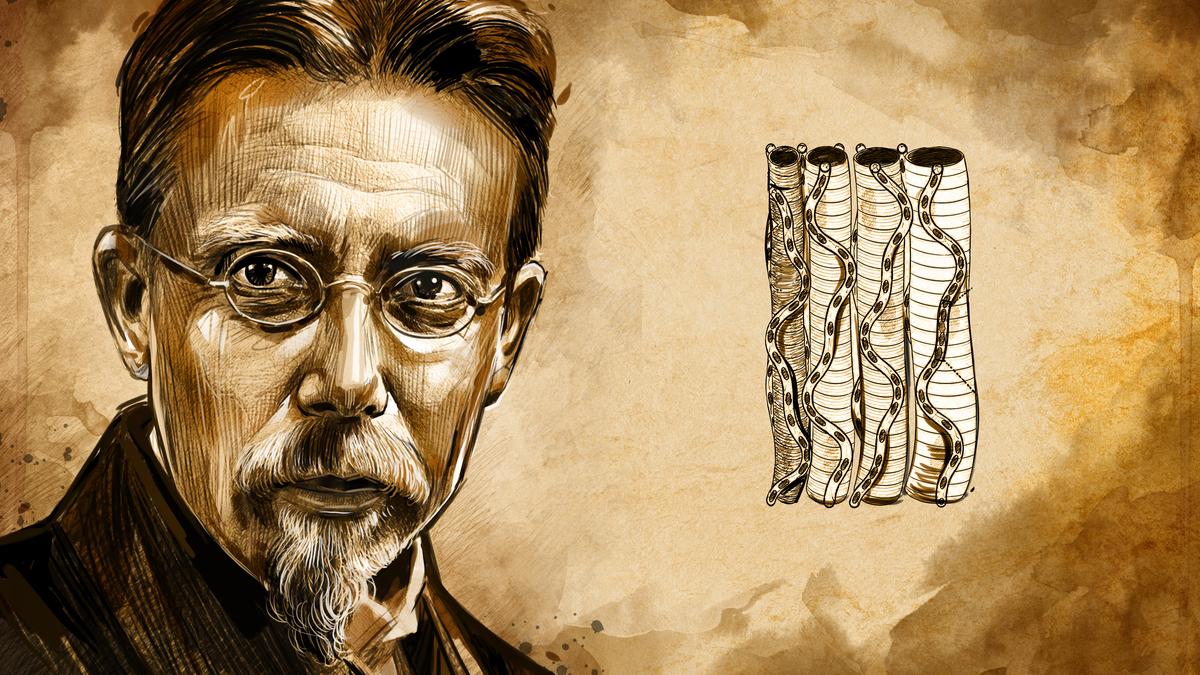
August Krogh’s work helped establish the capillary bed not simply as a passive endpoint of the circulation, but as a critical interface between the blood and the cells that depend on it
| Photo Credit: Sainath B.
In 1920, Danish physiologist August Krogh was awarded the Nobel Prize in Physiology or Medicine “for his discovery of the capillary motor regulating mechanism.”
His work addressed a fundamental question: how does muscle receive enough oxygen when its demand rises sharply during exercise? Krogh showed how changes in the capillary circulation could help meet this increased demand by bringing blood closer to muscle fibres and increasing the surface available for oxygen exchange.
The work had important implications for medicine because understanding how oxygen reaches tissues is central to conditions in which blood supply is impaired, including cardiovascular disease, peripheral vascular disease, diabetes and wounds that fail to heal. The principles of microcirculation and tissue oxygenation that Krogh helped establish are now relevant to understanding tissue injury, wound healing, exercise physiology and the effects of impaired blood flow.
Schack August Steenberg Krogh was born on November 15, 1874, in Grenaa, Denmark. He entered the University of Copenhagen in 1893, initially studying medicine before turning to zoology.