People are lonelier than ever – that’s hardly breaking news. Everyone has a theory about why. Social media usually gets the blame; streaming platforms like Netflix are often part of the conversation; and, increasingly, AI is making the list.
In 2023, the U.S. surgeon general warned that the country was facing a “loneliness epidemic.” The diagnosis was clear. But what if we’ve been looking at the problem the wrong way?
Maybe loneliness isn’t about how many friends we have. On paper, many of us have larger social circles than previous generations, whether that’s hundreds of Facebook friends or a busy group chat alongside real-life relationships. We’ve come a long way from the days of small, close-knit communities where everyone knew your business before lunch.
The real issue may not be the size of our networks but the depth of our connections.
That idea is backed by decades of research. The landmark Harvard Study of Adult Development, one of the longest-running studies ever conducted on human happiness, found that the strongest predictor of a happy, meaningful life isn’t wealth, success or even physical health. It’s the quality of our relationships.
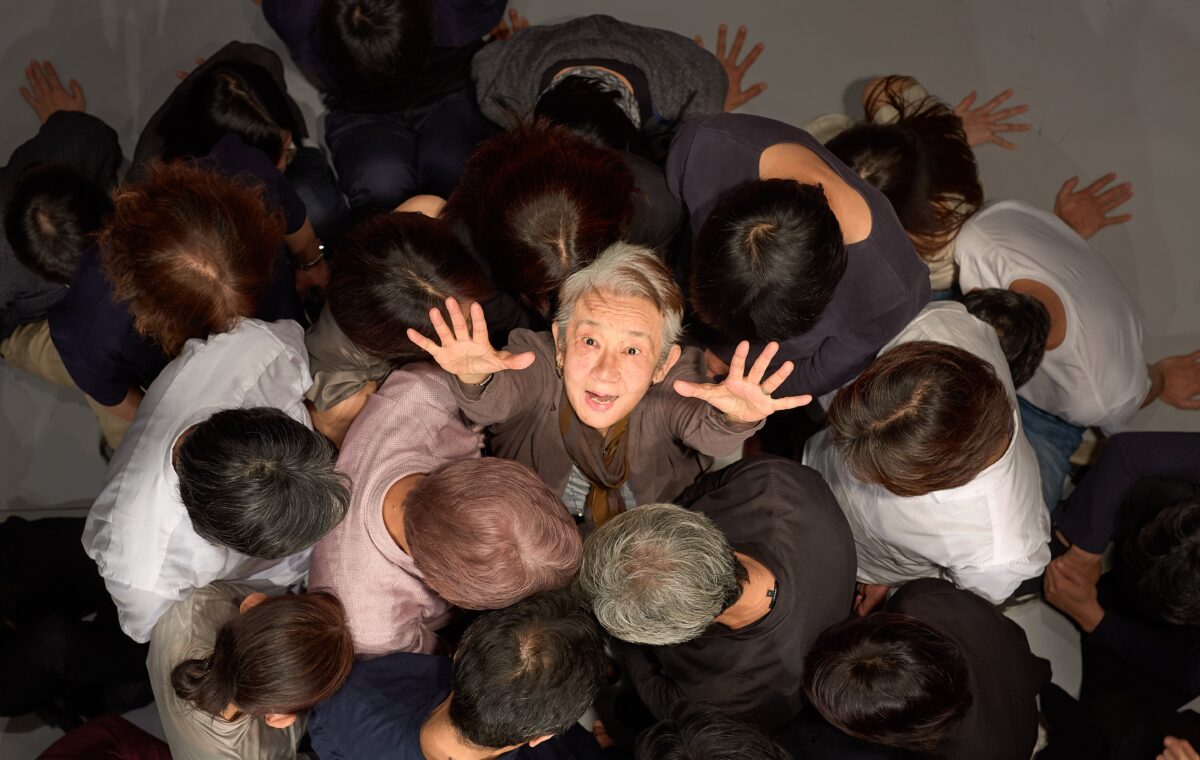
And that’s where many of us are struggling. We’re surrounded by people, yet starved of genuine connection. We call this the “Friendship Depth Gap,” and it may be one of the biggest reasons so many of us feel lonely.
Many people have plenty of friends, active group chats and a steady stream of social interaction, yet still feel strangely disconnected, unseen or unfulfilled. A term gaining traction on social media – the “Friendship Depth Gap” – puts a name to that feeling. The idea is simple: We’re surrounded by connection, but lacking genuine emotional intimacy.
Elisabeth Crain, psychotherapist and author of The Friendship Lab, has become one of the leading voices behind the concept.
“The research shows that we aren’t actually lacking friends. In fact, we have plenty of friends,” Crain said. “The issue is the level of closeness we have with our friends … the depth, or lack thereof, in these relationships. There’s a fear of vulnerability holding people back from becoming more intimate or close with their friends.”
In other words, most of us don’t need more names in our contacts list, we need to spend more meaningful time with the people already in it.
And there we have the frustrating paradox of modern friendship. We’re more connected than ever, yet many of us don’t have someone we’d instinctively call in a crisis. Our social circles may be wide, but too often they lack the depth that turns acquaintances into lifelong pals.
“I have a big group of friends, but I feel lonely a lot of the time,” said Maya S., 26, who asked to withhold her last name for privacy to talk about her relationships. “I don’t feel like my friends really know what’s going on in my life or care enough.”
For Charlie F., 29, the issue is around the quality of hangouts: “I feel like we’ve fallen into catch-up culture. I see a friend, we talk for an hour over dinner, bringing each other up to speed, then we don’t meet up again for a month, and repeat. It doesn’t feel like we get the chance to dig deep, as we’re so busy updating on dating and job stuff.”
Crain believes the “Friendship Depth Gap” is, in some ways, an inevitable consequence of adulthood.
“I think one big factor is that the barrier to entry into friendship increases throughout our lives,” Crain said. “For example, when we’re in grade school, we are somewhat forced into friend groups or social situations. This continues into college, where we are again in a pool of people we don’t always get to choose.”
Source: Read the original article on www.huffingtonpost.co.uk