You have reached your maximum number of saved items.
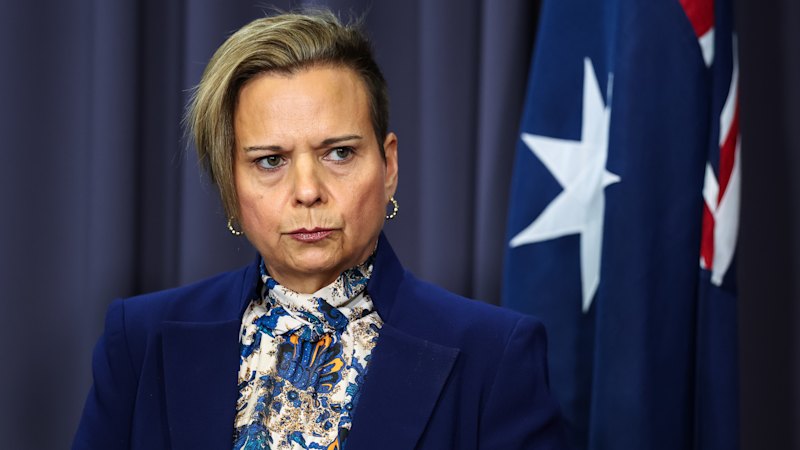
The federal government is sounding the alarm on smart glasses, as Attorney-General Michelle Rowland demands the privacy watchdog urgently intervene to protect women and children from covert filming.
Smart glasses look much like ordinary sunglasses, but carry a camera and microphone that record without the wearer touching a phone. Rowland said they “may be used more discreetly” than other technology, making it harder to know when you are being recorded.
New Australian research suggests the harm is not hypothetical.
Researchers at the University of Sydney have spent three years studying what they call “ambient capture”, where people are filmed during everyday encounters without ever realising it. They analysed 350 Instagram videos posted between 2023 and 2026, most by so-called pick-up artists, men who film themselves approaching women as proof of their success.
In videos shot from the wearer’s own perspective, where the woman appeared not to know she was being recorded, about 60 per cent of interactions were classed as potential harassment. Many women showed visible discomfort or tried to walk away. The filming continued anyway.
In about 43 per cent of the videos, the women were harmed a second time once the footage went up, named or swamped by abusive comments.
The filming was happening in gyms, workplaces, shops and on university campuses, where people expect at least some privacy.
Lead researcher Milica Stilinovic said women had little sense of how far the footage travelled once it was posted. “You’ve basically handed your GPS tracker to the world,” she said.
Joanne Gray, who leads the project, said the responsibility sat with manufacturers. “Tech companies should not be permitted to sell to the public any products that have the potential to cause widespread harms,” she said.
Privacy commissioner Carly Kind confirmed on Friday that her office was monitoring the market and had pressed one company at least twice this year on how its devices worked. She drew “a meaningful difference” between the fixed cameras in airports and shops and a camera worn by anyone walking down the street.
The law offers less protection than most people assume.
Filming a stranger in public is generally legal in Australia, and there’s nothing stopping someone recording you in the street, at the beach or in a shopping centre. State surveillance laws make it an offence to film someone where they would expect privacy, however, such as a toilet or a change room.
And a law introduced in June last year allows people to sue over a serious invasion of privacy. They have to show they had a reasonable expectation of privacy, that the filming was deliberate or reckless, and that the invasion was serious.
Tom Sulston, head of policy at Digital Rights Watch, said the device itself should be regulated.