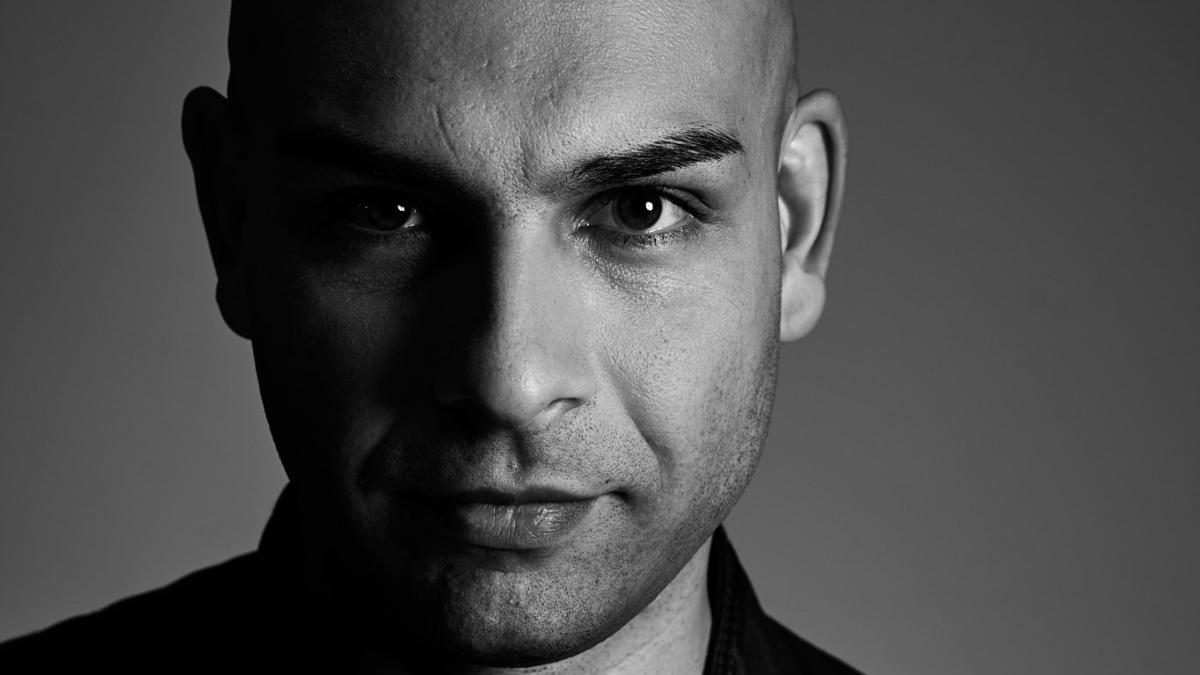
Shawn Maftounian, Prestige Personalised Training
This week’s Founder Friday, Shawn Maftounian of Prestige Personalised Training, talks about the mistake that nearly broke his business.
“I believed that if I simply worked harder than everyone else, success would eventually take care of itself.”
When people hear my story, they often assume the biggest mistake I made was losing all my savings in 2017 by investing in another gym without proper legal agreements. It was certainly one of the most painful experiences of my life. Overnight, years of savings disappeared and I ended up sleeping in my 1988 Toyota Camry, wondering how I was going to rebuild my life.
But looking back, that wasn’t my biggest mistake. The biggest mistake was far less obvious – I believed that if I simply worked harder than everyone else, success would eventually take care of itself.
For a long time, that mindset felt like a strength. It helped me survive difficult periods, push through setbacks and keep moving forward when most people would have given up. But eventually, I realised that working harder is not the same as building a business. In fact, relying on hard work alone can become one of the biggest barriers to sustainable growth.
“I was creating a business that depended entirely on me.”
Like many business owners, I wore every hat imaginable – I was the personal trainer, salesperson, receptionist, cleaner, marketer, social media manager, accountant, customer service representative and maintenance person. If something needed doing, I did it. I believed that nobody would care as much as I did, and that every important decision had to go through me. At the time, I thought I was protecting my business, but in reality, I was creating a business that depended entirely on me.
That became even more apparent during COVID. When many gyms closed, I made the decision not to return to a commercial facility. Instead, I trained clients in a small 4×4 metre tent outside my home for almost two years. Rain, wind or heat, we trained. It wasn’t glamorous, but my clients kept showing up because they trusted the coaching and the community we had built together.
Those years reinforced an important lesson: people value consistency, commitment and genuine care. But they also reinforced a dangerous habit in me – whenever a new challenge appeared, my default response was simple: work longer hours. If revenue slowed, I worked harder. If the admin piled up, I stayed later. If marketing wasn’t happening, I squeezed it into the evening. If clients needed help, I made myself available around the clock.
“I wasn’t building an organisation, I was building a job that happened to own me.”
I wore exhaustion almost like a badge of honour, because I thought that’s what committed entrepreneurs did. The problem is that businesses don’t scale through exhaustion, they scale through systems.
The turning point came when I realised I wasn’t building an organisation, I was building a job that happened to own me. If I took a day off, everything slowed down. If I became sick, the business suffered. If I wanted to grow, there simply weren’t enough hours in the day.
That wasn’t sustainable, so I had to completely change the way I thought about leadership. Instead of asking, “how can I do more?” I started asking, “how can the business operate better?” That shift changed everything.
I began documenting processes instead of relying on memory. We created consistent coaching systems so every client received the same high standard of care. We invested in staff development instead of expecting trainers to simply “figure it out.” We introduced clear operating procedures, better communication, structured client journeys and measurable standards across the business. Perhaps most importantly, I learned to trust good people. That wasn’t easy.