Back in the day, I used to loathe the custom skins and apps that Android phone makers added to their phones. Android's vendor-neutral default apps have since been replaced by Google apps, and the tech giant has used its dominance to fill our Android devices with far more pre-installed software than any other company.
Google is Android's primary developer, but the operating system is open source. Countless other companies are invested in the platform.
There are big-name smartphone makers like Samsung and Motorola. Tablets and eReaders from Amazon and BOOX. Niche products that you may not realize run Android, like the minimalist Light Phone. There are self-checkout machines in big box stores that are merely Android tablets anchored in place. You may sign in at your dentist's office with an Android device without being aware of it. They're everywhere.
The promise of Android is that it's a mobile-first operating system that anyone can use to create great things without starting from scratch. This is how Android got buy-in from businesses and volunteers from all over the world. You can use and develop Android without being entirely beholden to the whims of another corporation.
While Android is free, Google has control over the primary way developers distribute their apps to Android users. In order for a company to ship the Play Store on their device, they must agree to include a bundle of Google apps and background services. The company has also been willing to pay big bucks to limit the creation of alternative Android app stores. It spent years in a back-and-forth lawsuit with Epic Games to defend its alleged app store monopoly (and the settlement in 2025 leaned mildly in Epic Games' favor).
Google's apps are not neutral pieces of software providing needed functionality. They're Google services like Google Search, Chrome, Gmail, Google Calendar, Google Home, Google Docs, and YouTube. Are these programs that many (if not most) Android users would go out of their way to install? Sure, absolutely. But most of them are not essential parts of a phone or tablet. They're efforts to draw you into the Google ecosystem.
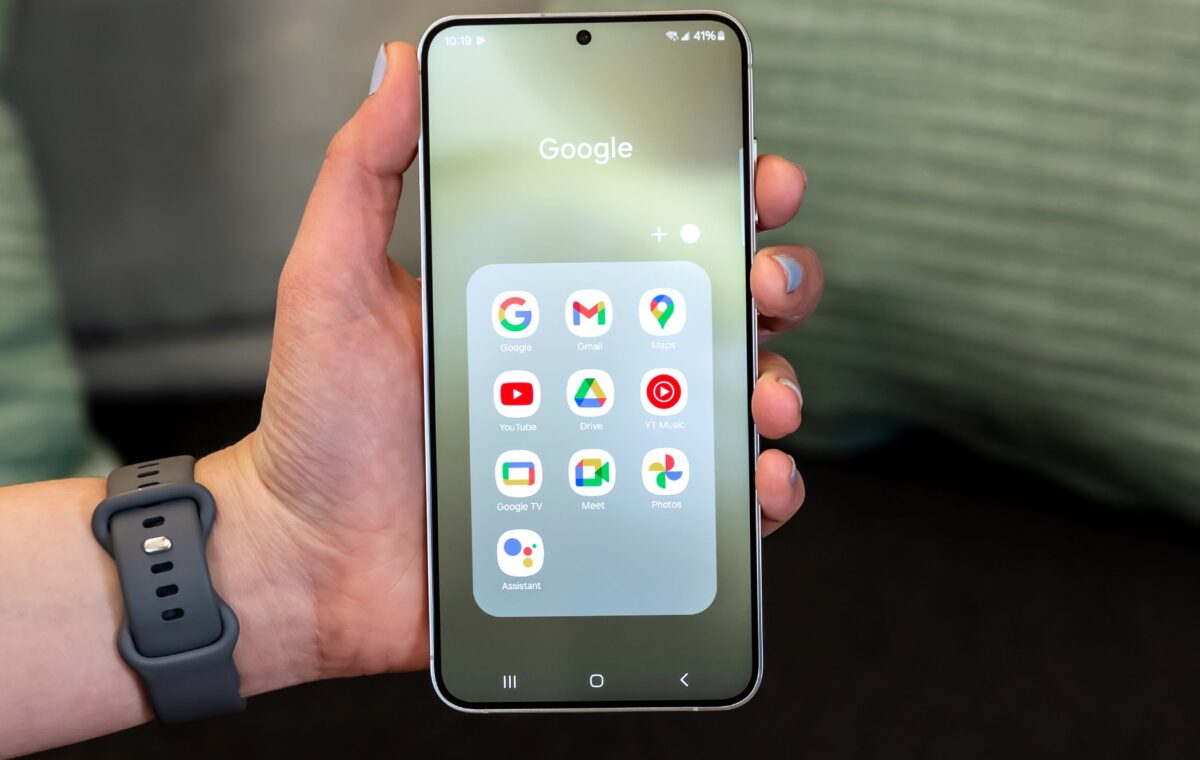
Google's insistence on making Android phone makers ship their apps is why a company like Samsung ships duplicate programs on their phones. They either give Google full control over the software experience, or they settle for confusing duplication. Samsung at least tries to clean up the clutter a bit by dumping most of the search giants' apps into a folder labeled "Google" on the home screen.
Many other companies have stopped making their own software and decided to stick to Google's defaults instead. There are plenty of users and product reviewers calling for just that. They're already deep in the Google ecosystem and just want the most optimized experience. Yet this stance ultimately limits the amount of choice available in the market. What's left for those of us who like Android phones but, after seeing all the shenanigans Google has gotten up to, want to opt out of doing business with them?
You can use RCS in any way you like, as long as it's through Google Messages.
I made efforts to de-Google my life years ago, deleting my Google account entirely. I re-created one years later when an organization I'm involved with wanted to use Google Calendar to manage our schedule. I started to use this same account to log into Google Play for apps, but that's about it.
That means whenever I activate a new Android device, I go through the onboarding process and un-check as many boxes as I can. Then, I spend time uninstalling all the apps I don't want. Whether I'm setting up a Pixel or a Galaxy Z Fold, the bulk of the apps I'm removing come from Google. I don't want YouTube Music preinstalled any more than I want to see Facebook or TikTok. I don't use Chrome as my browser on any device, nor do I use Google Search.
It's not that I don't use any Google apps. I find Google Maps useful, especially due to how much information it provides about local businesses. I watch YouTube, since it is the primary way major and independent publishers alike distribute video. But these apps don't provide essential phone functionality in the way that a gallery app and a local video player do. They're the kind of programs many people would immediately seek out on their own in the Play Store. Still, they're preinstalled to drive more people toward Google services and provide the company with more marketable data.
People are quick to call out budget Motorola phones for installing unwanted shopping apps and random games, but Google's software collects far more data and is much more intrusive. We're just conditioned to expect them, even if we have never once clicked on Google Home.
From a scrappy startup to the world's most popular operating system — how well do you know Android's remarkable journey?
In what year was Android Inc. originally founded by Andy Rubin and his co-founders?